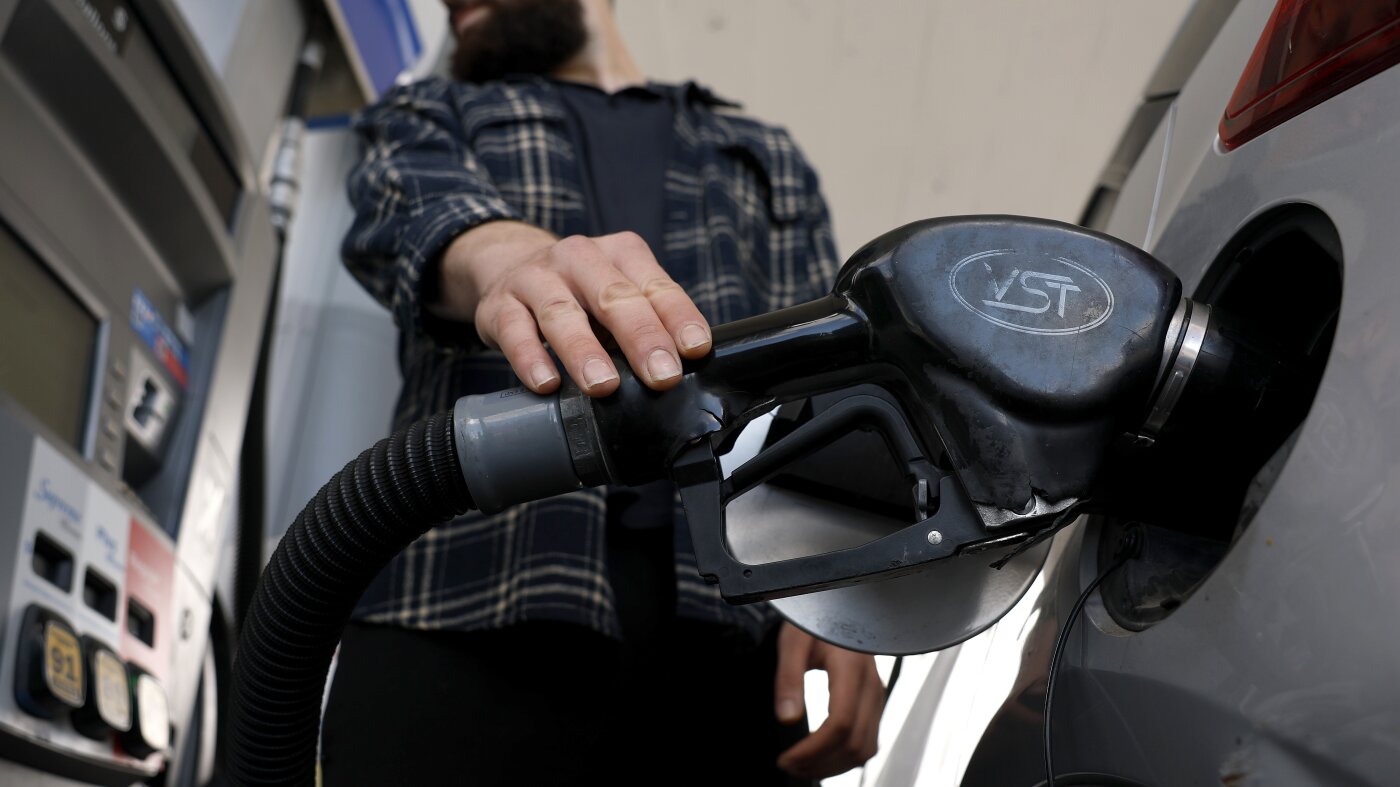
strategic insights Our platform focuses on simplifying stock market information through structured analysis of earnings, trends, and financial news. As the national average gasoline price reaches $4.55 per gallon ahead of one of the busiest travel weekends of the year, consumers are seeking ways to reduce fuel expenses. Options under consideration include adjusting driving behavior, adopting electric vehicles, or reducing travel altogether. This article examines potential cost-cutting strategies and their market implications.
Live News
strategic insights Investors who track global indices alongside local markets often identify trends earlier than those who focus on one region. Observing cross-market movements can provide insight into potential ripple effects in equities, commodities, and currency pairs. Using multiple analysis tools enhances confidence in decisions. Relying on both technical charts and fundamental insights reduces the chance of acting on incomplete or misleading information. With the national average for a gallon of gasoline standing at $4.55, Americans are heading into one of the busiest travel weekends of the year. This price level has prompted many to explore methods to lower fuel costs. Common suggestions include reducing driving speed, as lower speeds generally improve fuel efficiency. Additionally, maintaining proper tire pressure and avoiding rapid acceleration may also help conserve fuel. Another option gaining attention is the shift toward electric vehicles (EVs), which could reduce or eliminate gasoline expenses. However, the upfront cost of EVs remains a consideration. For those unable or unwilling to change vehicles, alternatives such as carpooling, using public transit, or planning trips to combine errands could reduce miles driven. The source does not provide specific data on the effectiveness of each strategy, but these measures are frequently cited by automotive experts and government agencies as ways to lower fuel consumption.
Gas Prices at $4.55 National Average: Strategies from Driving Habits to Electrification to Cut Fuel Costs Cross-market monitoring is particularly valuable during periods of high volatility. Traders can observe how changes in one sector might impact another, allowing for more proactive risk management.Some traders prefer automated insights, while others rely on manual analysis. Both approaches have their advantages.Gas Prices at $4.55 National Average: Strategies from Driving Habits to Electrification to Cut Fuel Costs Monitoring multiple indices simultaneously helps traders understand relative strength and weakness across markets. This comparative view aids in asset allocation decisions.Monitoring commodity prices can provide insight into sector performance. For example, changes in energy costs may impact industrial companies.
Key Highlights
strategic insights Effective risk management is a cornerstone of sustainable investing. Professionals emphasize the importance of clearly defined stop-loss levels, portfolio diversification, and scenario planning. By integrating quantitative analysis with qualitative judgment, investors can limit downside exposure while positioning themselves for potential upside. The role of analytics has grown alongside technological advancements in trading platforms. Many traders now rely on a mix of quantitative models and real-time indicators to make informed decisions. This hybrid approach balances numerical rigor with practical market intuition. Key takeaways from the current gas price environment include potential shifts in consumer behavior and sector impacts. Historically, sustained high fuel prices have led to increased interest in fuel-efficient vehicles, including hybrids and EVs. Automotive manufacturers may see changes in demand for their product mix, with potential growth in smaller, more efficient models. The oil and gas sector could experience altered demand patterns, though the extent remains uncertain. For retailers, gas station margins may tighten as consumers reduce fill-ups or travel less. Additionally, the busy travel weekend highlights a tension between consumer desire for mobility and cost sensitivity. This dynamic suggests that companies offering fuel-saving products or services—such as tire inflators, fuel additives, or trip planning apps—might see heightened interest. However, no specific company performance data is available from the source.
Gas Prices at $4.55 National Average: Strategies from Driving Habits to Electrification to Cut Fuel Costs Scenario-based stress testing is essential for identifying vulnerabilities. Experts evaluate potential losses under extreme conditions, ensuring that risk controls are robust and portfolios remain resilient under adverse scenarios.Monitoring multiple indices simultaneously helps traders understand relative strength and weakness across markets. This comparative view aids in asset allocation decisions.Gas Prices at $4.55 National Average: Strategies from Driving Habits to Electrification to Cut Fuel Costs Some investors track short-term indicators to complement long-term strategies. The combination offers insights into immediate market shifts and overarching trends.Some investors rely heavily on automated tools and alerts to capture market opportunities. While technology can help speed up responses, human judgment remains necessary. Reviewing signals critically and considering broader market conditions helps prevent overreactions to minor fluctuations.
Expert Insights
strategic insights Investors these days increasingly rely on real-time updates to understand market dynamics. By monitoring global indices and commodity prices simultaneously, they can capture short-term movements more effectively. Combining this with historical trends allows for a more balanced perspective on potential risks and opportunities. Some traders rely on historical volatility to estimate potential price ranges. This helps them plan entry and exit points more effectively. From an investment perspective, the current high gas prices could influence several sectors, though outcomes are not guaranteed. Energy companies may face varying impacts depending on their exposure to retail versus wholesale markets. The EV sector might benefit from increased consumer consideration, but adoption rates depend on factors like charging infrastructure availability and vehicle affordability. Policy responses, such as potential gas tax holidays or subsidies for cleaner vehicles, could also reshape market dynamics. Investors should note that consumer behavior changes often lag price shifts, and the length of time gas prices stay elevated will likely determine the magnitude of any long-term effects. As always, individual financial decisions should be based on thorough research and personal circumstances. This analysis is for informational purposes only and does not constitute investment advice. Disclaimer: This analysis is for informational purposes only and does not constitute investment advice.
Gas Prices at $4.55 National Average: Strategies from Driving Habits to Electrification to Cut Fuel Costs Some traders combine trend-following strategies with real-time alerts. This hybrid approach allows them to respond quickly while maintaining a disciplined strategy.While algorithms and AI tools are increasingly prevalent, human oversight remains essential. Automated models may fail to capture subtle nuances in sentiment, policy shifts, or unexpected events. Integrating data-driven insights with experienced judgment produces more reliable outcomes.Gas Prices at $4.55 National Average: Strategies from Driving Habits to Electrification to Cut Fuel Costs Stress-testing investment strategies under extreme conditions is a hallmark of professional discipline. By modeling worst-case scenarios, experts ensure capital preservation and identify opportunities for hedging and risk mitigation.Cross-market analysis can reveal opportunities that might otherwise be overlooked. Observing relationships between assets can provide valuable signals.